In the early 1960s, America’s hunger for energy reshaped its landscape. Coal was king, and the nation’s appetite for it seemed endless. To feed that demand, engineers built machines so vast they seemed to challenge the earth itself.
The Birth of Big Hog
Big Hog was born from ambition. The Tennessee Valley Authority had just built a massive power plant in Muhlenberg County, Kentucky, and it needed coal in enormous quantities. Peabody Coal Company, one of the largest producers in the country, took on the task.
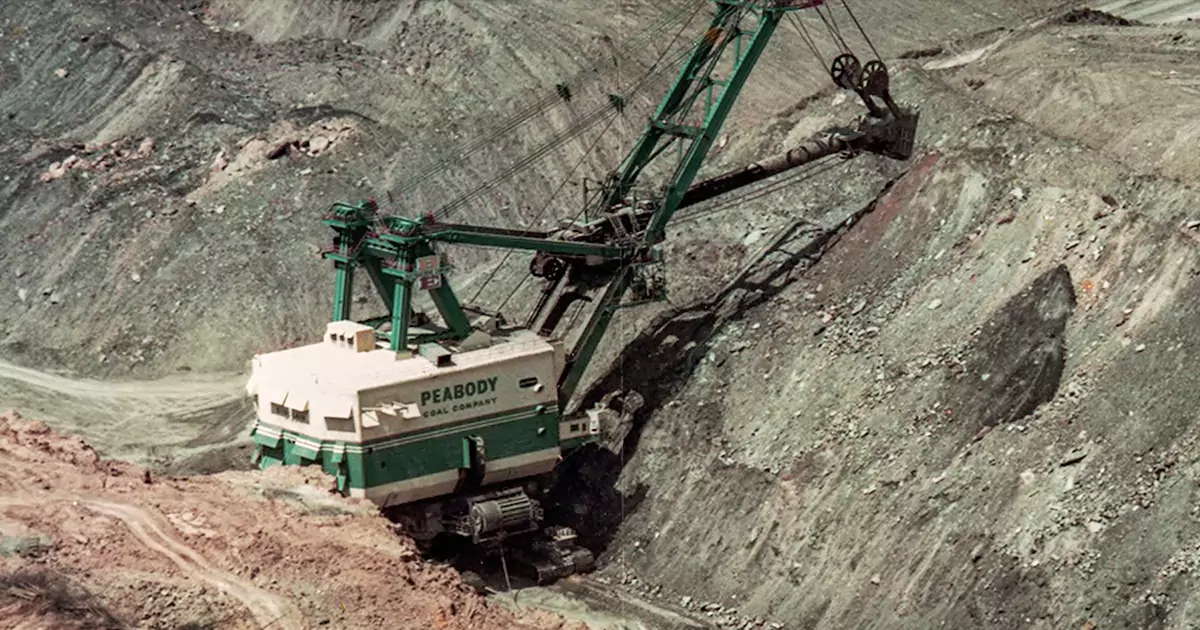
To meet the demand, they ordered a machine of impossible scale from Bucyrus-Erie, a company already famous for the equipment that dug the Panama Canal. In 1962, the new creation arrived at Peabody’s Sinclair Mine. Workers called it Big Hog, and it towered over them like a moving skyscraper.
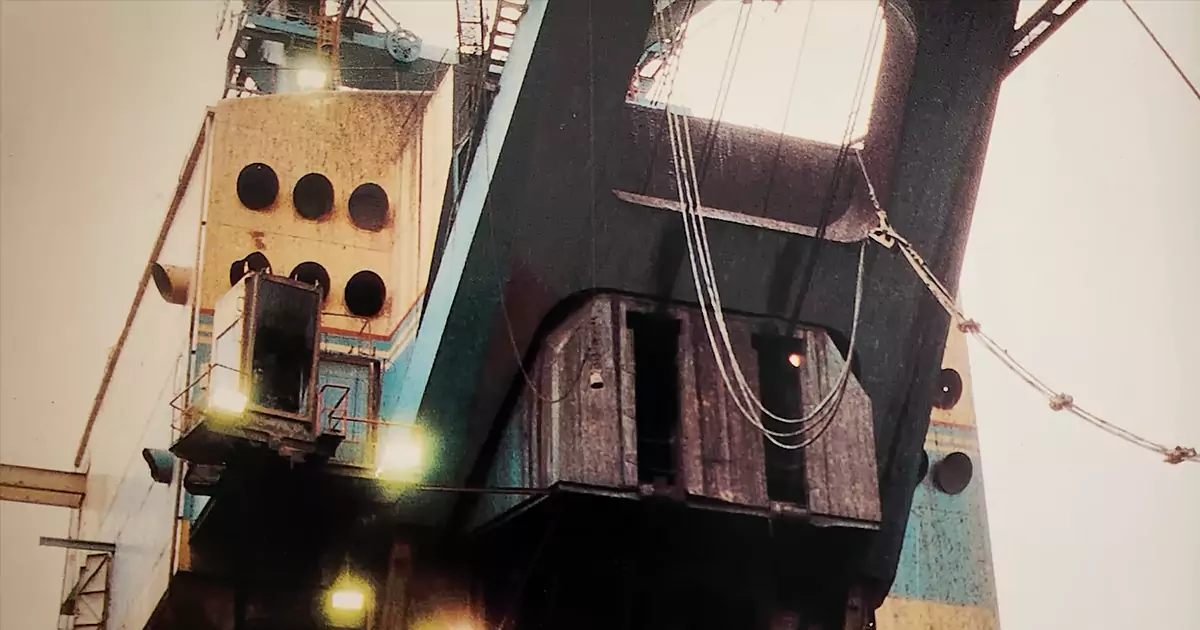
Close-up view of the Big Hog electric mining shovel showing its massive steel structure, cables, and operator platform used in Kentucky coal mining during the 1960s.
The Reign of the Giant
At 220 feet tall, with a boom stretching 215 feet and a bucket that could hold 115 cubic yards of earth, roughly forty dump trucks’ worth, Big Hog was a marvel of engineering. It weighed twenty-two million pounds and could move enough material in a single day to fill nearly 1,700 railroad cars.
For a short while, it was the undisputed king of the coalfields, featured on the cover of Science and Mechanics magazine and celebrated as a triumph of American ingenuity.
However, in the years that followed, rival companies like Marion Power Shovel built even larger models such as the Marion 6360, known as The Captain, and the Marion 5960. These later giants briefly surpassed Big Hog and continued the race for scale that defined the era.
The Song and the Symbol
By the late 1960s, the tide of public opinion was turning. A young Kentucky-born songwriter named John Prine released a song called Paradise, lamenting how coal mining had erased the small town where his parents grew up.
In the song, he sang of the world’s largest shovel, making Big Hog a symbol of industrial excess and environmental loss. The truth was more complicated. Peabody’s mine had not directly destroyed the town, but the story stuck. Big Hog had become more than a machine. It was a metaphor.
Kentucky songwriter performing “Paradise” about the Big Hog mining shovel and coal country’s environmental loss.
The Burial
By the mid-1980s, the Sinclair Mine’s coal was running out, and Big Hog’s days were numbered. Selling or moving a 22-million-pound machine was impossible. So Peabody made an extraordinary decision. They would bury it. Engineers drained every drop of oil, stripped valuable parts, and lowered the massive boom.
Then a dragline filled the pit with over a hundred feet of earth, sealing Big Hog forever beneath the Kentucky soil it once devoured.
Legacy Beneath the Soil
Today, the land is quiet. The mine is gone, the Paradise Fossil Plant is silent, and Big Hog rests somewhere beneath Drakesboro, an iron fossil from an age of boundless ambition. Its story is both a celebration of human creativity and a warning about its reach.
Built in the 1960s, Big Brutus was an 11-million-pound electric shovel that worked the Kansas coal fields. Now silent, it stands as a monument to human ambition.